

The Setup
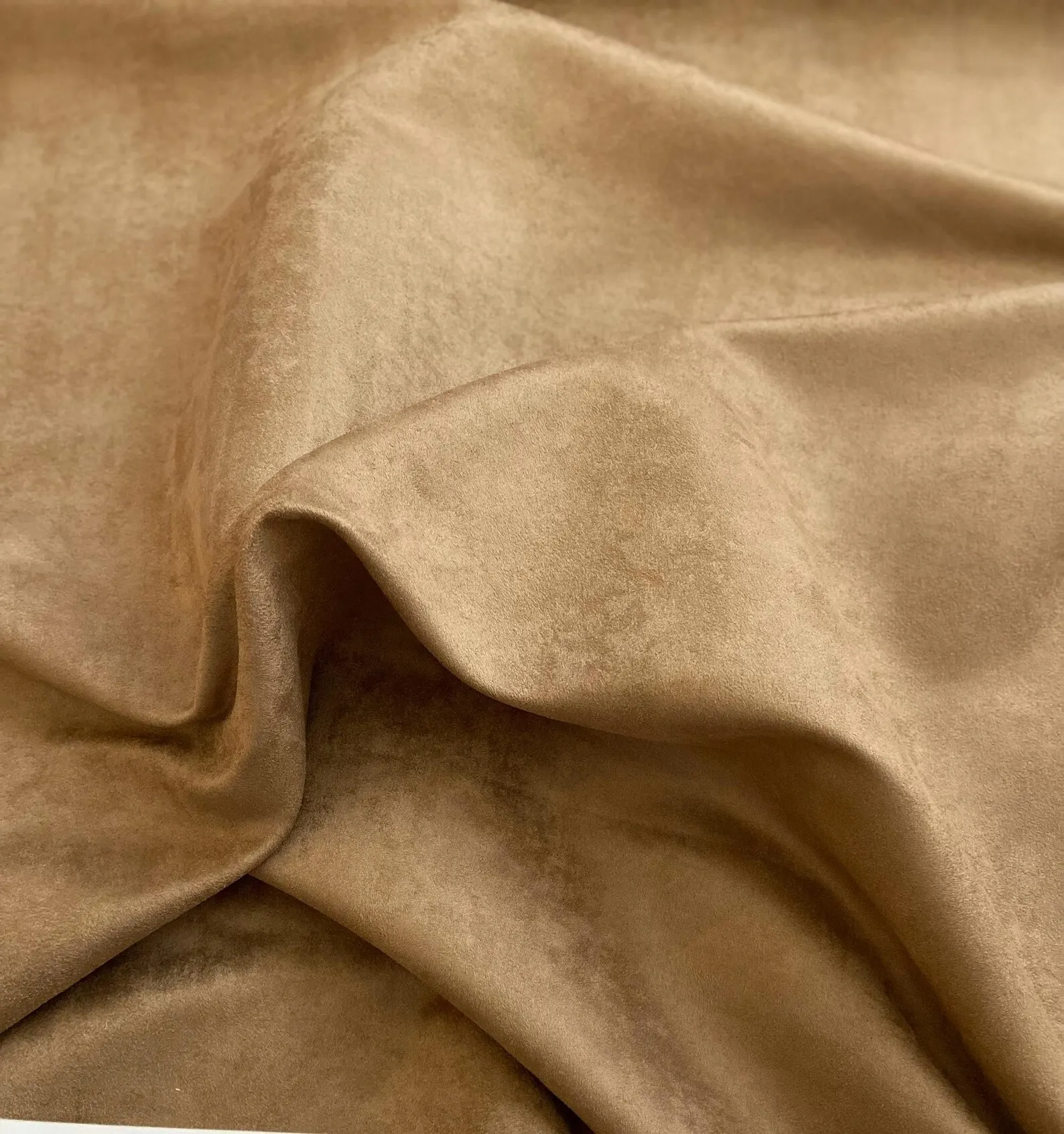
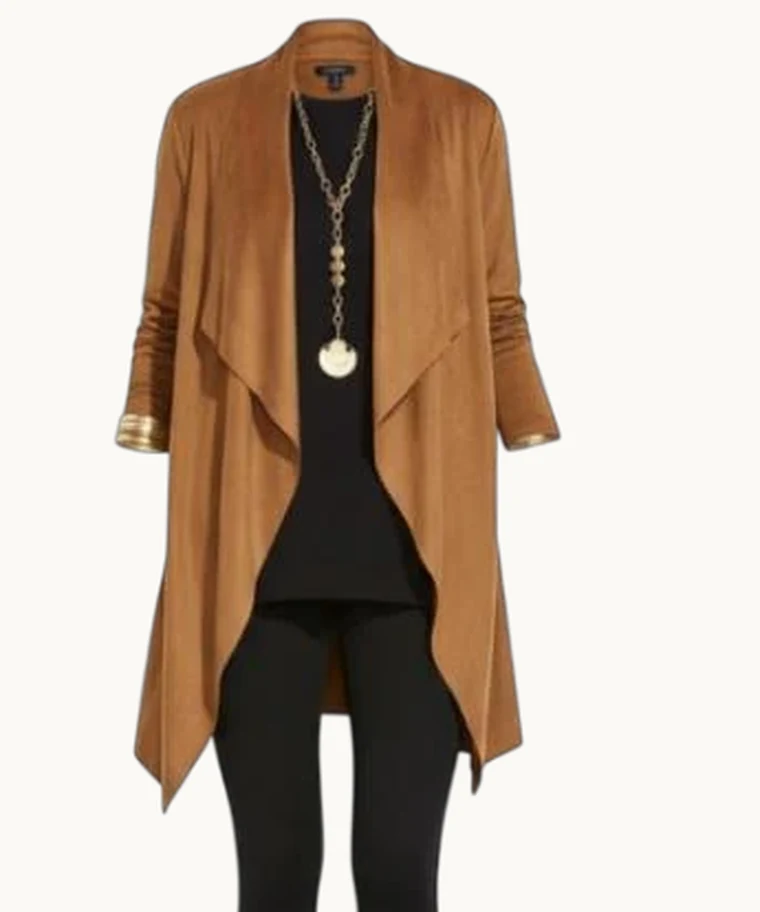
In fall 2021, a women's apparel brand with 75 stores and a strong catalog business was running a faux suede jacket in two colorways: saddle brown and black. The buy had been split nearly 50/50 between the two colors. By conventional logic, that seemed reasonable. Black sells everywhere. Brown is a seasonal call. If you do not have a strong read on the customer, splitting the buy is a safe hedge.
The season ended. Saddle brown had generated $196,000 in sales and was essentially gone. Black had done $70,000 at 40% sell-through, which meant markdowns were coming. Total combined performance of $266,000 made the jacket a top seller in the outerwear category. Most of the team saw a successful season. Michael saw a broken buy and a significant missed opportunity hiding inside the summary numbers.
Understanding Why the Numbers Looked the Way They Did
There is a specific dynamic in catalog retail that the 50/50 buy ignored. When a style runs in two colorways, the color featured on the model in the catalog drives between 60 and 75 percent of total sales on that style. Not because customers do not want the other color. Because the featured color is the one they actually see. The customer flipping through the catalog at her kitchen table responds to what is in front of her. The non-featured color has to earn its sales without the visual support.
Saddle brown was the featured color. Black was not. Buying them equally was buying as if the catalog did not exist. Black was set up to underperform relative to brown from the moment the buy was placed, not because the market did not want a black suede jacket, but because it never had a fair shot at the customer's attention.
The 40% sell-through on black was not a demand failure. It was a quantity failure. If the black buy had been sized at $85,000 instead of roughly half the total, it would have sold cleanly and everyone would have considered it a modest success. The problem was not the product. The problem was the number of units purchased relative to what a non-featured color in a two-color style can reasonably expect to generate.
The Lost Sales Calculation
Michael ran the lost sales analysis on saddle brown. The result: $181,000 in unmet demand. Adding the $196,000 actually captured to the $181,000 missed produced the true demand picture. Saddle brown, as a single colorway with full-page catalog placement, had generated $377,000 in customer demand. The brand had captured just over half of it.
That number was important for a specific reason. It was a measured benchmark. Not a projection. Not an estimate based on industry averages. It was actual demand that had been documented through sell-through velocity, inventory snapshots, and the point at which the product stopped being available to buy. When Michael and the merchant sat down to plan year two, they were not working from a guess. They were working from a floor.
When Art Meets Science
The math gets you to the number. Bringing the opportunity to life requires a partner who understands both the art and the science. Michael found that in Amber, the brand's newly promoted Head Merchant, and together they flew to Los Angeles to visit a vendor he had worked with before, one whose showroom held thousands of samples from years in the business.
The reason for the trip was a technique: printing on suede. Printing on suede was not entirely new, but the quality and vibrancy of this vendor's work was exceptional, unlike anything in the market at the time. As they moved through the racks, Michael watched Amber's face light up, the creative wheels connecting those printed samples to the brand's bestselling jacket. This was preparation meeting opportunity.
They spent hours in that showroom exploring colors, prints, and techniques. What came out of it was a dusty rose floral print on the same jacket body: a colorway that would not cannibalize saddle brown, could carry its own catalog placement, and gave the customer something no competitor had. The print is what gave this jacket new life. It turned a basic silhouette into a statement piece.
Edit and Amplify
Edit what isn't working. Amplify what is. The hard part is doing both at the same time, because editing means cutting, and most merchants hate cutting, while amplifying means a bigger number, and bigger numbers feel risky. Paired together, the math gets cleaner: every dollar freed by the edit funds the amplify.
The edit came first: black was cut, replaced 1:1 by the new floral print. Then the placements. Saddle brown, which had generated $377,000 in true demand from a full page in year one, was upgraded to the cover of the October 2022 catalog, the most powerful marketing position in the book. The buy was set at $750,000, built from the demand floor, the cover upgrade, the $70,000 freed from black, and another $75,000 cut from underperforming jackets. The floral print inherited brown's old full-page placement, and with it a proven $375,000 buy.
While they were building the jacket plan, the same logic extended to another category. The customer loved suede. She loved button-down shirts. The Nola, a navy suede button-down with bright florals in the same printing technique, was ideated on the spot, signaling to the customer that the brand believed in this product deeply enough to give it to her in two styles.
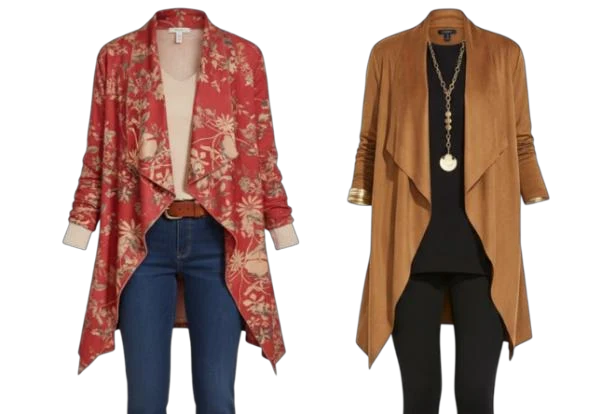
Black came out
40% sell-through on the second colorway. Those units went back into the color that had already proven it could not keep up.
Saddle took the cover
October 2022 catalog cover. In a two-colorway style, the featured color takes 60 to 75% of the sales.
New print, not a new body
The floral went on the same silhouette the customer had already bought. It sold out with about $50,000 still on the table.
The Results
Saddle brown: $718,000. The floral print: $375,000, sold out with approximately $50,000 left on the table. Combined jacket revenue: $1,093,000. Year-over-year increase: 311% on the same category, in the same stores, to the same customer.
Look at what the print did against the color it replaced. Black, in year one: $70,000 at 40% sell-through, headed for markdown. The floral print, in the same slot one year later: $375,000 at a sellout. It was not even close. Same jacket body, same placement value, same customer. The difference was a technique worth believing in and the conviction to buy it like a winner.
The Nola suede shirt became a top-five shirting style for the season, adding more than $250,000 in revenue. The total revenue impact of the edit-and-amplify decision, measured against year one's $266,000, was more than $800,000 in additional top-line revenue from a single category, before counting the margin saved by eliminating the black markdown.
| Colorway | Placement | Sell-through | Revenue |
|---|---|---|---|
| Fall 2021 · Saddle brown | Full-page catalog | Sold out | $196,000 |
| Fall 2021 · Black | Second colorway | 40% | $70,000 |
| Fall 2022 · Saddle brown | October catalog cover | Sold out | $718,000 |
| Fall 2022 · Floral print | New, same silhouette | Sold out | $375,000 |
| Fall 2022 · Black | Cut from the buy | — | — |
| Year two category | $1,093,000 |
The One We'd Run Back
Michael is candid about the imperfection in the plan. Cutting black entirely walked away from a customer who did want a dark neutral, just not at half the buy. A small minimum-order-quantity run in dark charcoal, $40,000 to $50,000 alongside the brown and the floral, could have served her without clouding the assortment, especially given how much traffic the category was about to drive.
The floral more than made up for it, and the 40% sell-through from the year before made the cut feel obvious at the time. But it is a reflection worth owning: edit and amplify does not have to mean all or nothing. Sometimes the right answer for a weak color is not zero. It is small, deliberate, and sized to the demand it actually earned.
Numbers aren't enough, and instinct isn't sufficient, but together they create exponential results. The lost sales math found $181,000 hiding in a sellout, and a printing technique found in a Los Angeles showroom turned the color it replaced from a $70,000 markdown into a $375,000 sellout. Variant-level data tells you where the money is. A merchant who can pair it with the right product is what multiplies it.