
What the Report Showed
In early 2020, Michael was working with a women's apparel brand when they introduced technology from Fit Analytics, a Berlin-based company that had spent a decade building AI-powered sizing tools for apparel retailers. The system did something that standard analytics cannot do: it tracked customer behavior at the size level, captured when customers tried to buy a size that was unavailable, and converted those failed purchase attempts into dollar-value lost sales estimates.
The first quarterly report covered the holiday season from November through January. Michael opened the report expecting routine data. What he found rewired how he thought about the entire business.
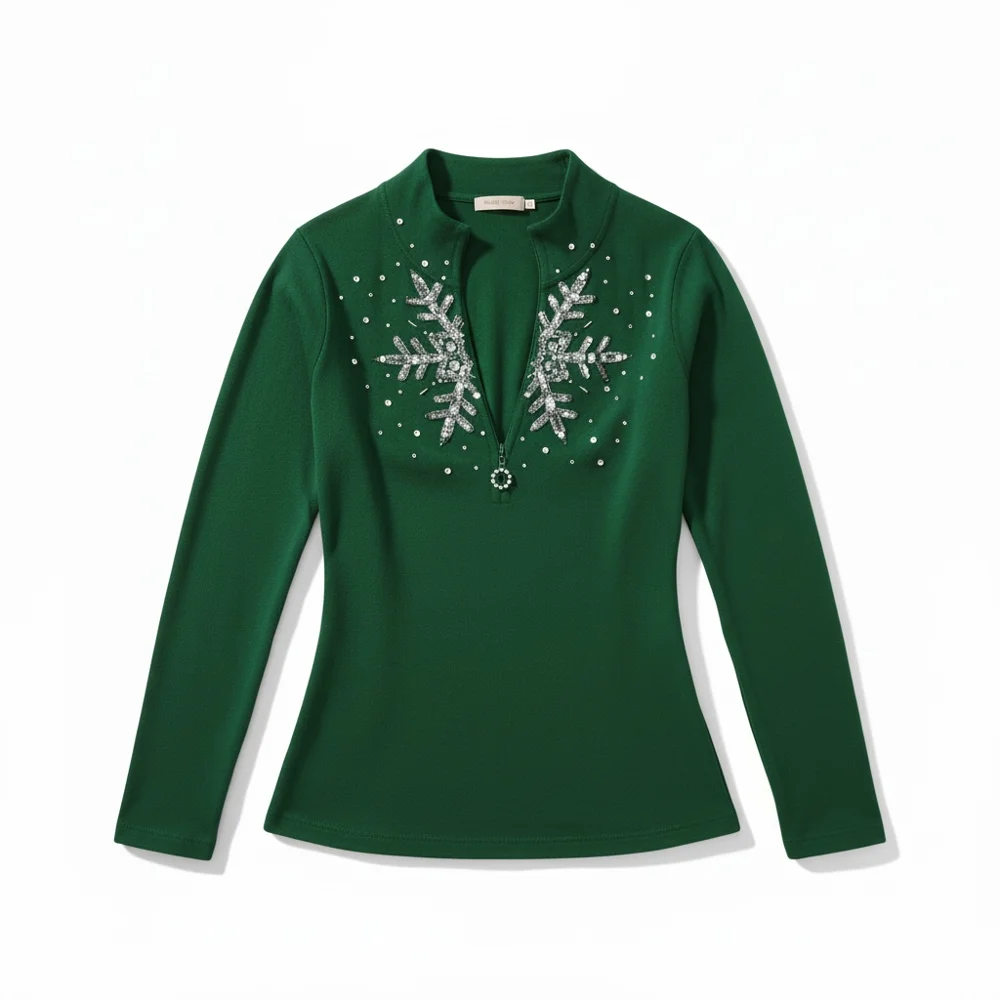
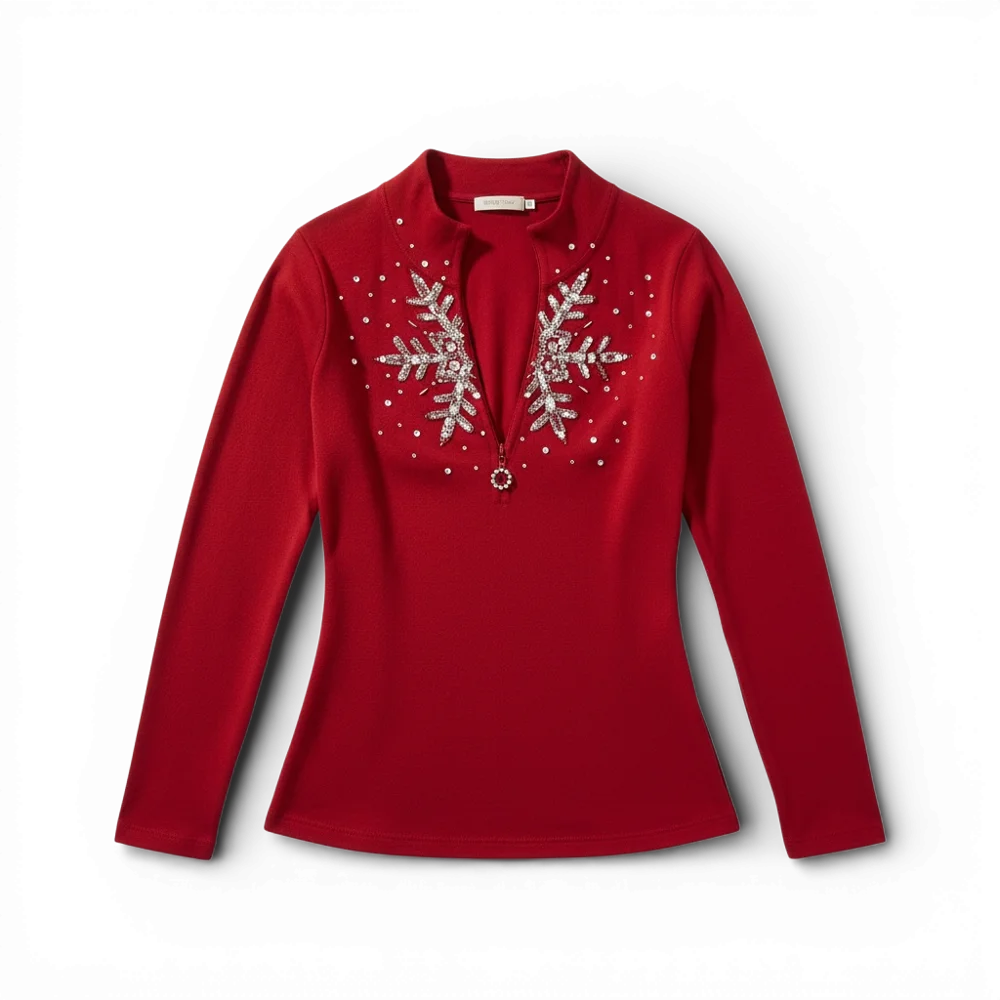
A rhinestone snowflake sweater, considered a core holiday item, had generated $155,175 in Q4 sales. The team viewed that as a solid result for an established seasonal style. The technology showed that the same sweater had accumulated $269,753 in lost sales across its five colors and sizes. The brand had captured $155,000 of the demand that existed for the product. It had missed nearly $270,000 more.
The November catalog cover style told a similar story. Sales of $128,193 sat next to lost sales of $142,328. Total opportunity: $270,521. Less than half of the available demand had been fulfilled.
Michael called the Head of Planning. He shared his screen. She looked at the numbers and processed them slowly. 'We could have sold $270,000 if we were in stock but we only sold $128,000 because we weren't?' 'Exactly,' he said. The silence that followed was the sound of a buying philosophy being questioned for the first time.
Why This Kept Happening
The brand had been operating with a buy ceiling of 300 to 500 units per style and color for years. Nobody had formally set that ceiling. It had accumulated over time through caution, habit, and the absence of data that would have challenged it. Buyers bought within that range because they always had. The numbers felt safe because they had always been the numbers.
The size curve problem was a related but separate issue. The brand was applying standardized size curves across entire categories, meaning the percentage of small, medium, large, and extra-large units ordered for any given style was based on category-wide historical averages rather than the specific demand patterns of that individual style. This approach sounds logical. In practice, it creates a systematic misalignment between what customers want and what the brand puts in stock.
A size that appears to sell poorly in historical data may not reflect low demand. It may reflect low availability. If mediums consistently sell out first, the data shows a modest medium percentage because mediums were often unavailable. The cure for the problem, ordering more mediums, was invisible inside the data because the problem was disguised as normal performance.
The Fit Analytics platform broke that cycle by measuring demand separately from sales. A customer who tried to buy a medium and found none available was counted as lost demand, not as a non-customer. That distinction, obvious in principle, was almost impossible to operationalize before technology could track user behavior at the size and style level in real time.
The Scale of the Problem
One number from the quarterly report stayed with Michael longer than any other. Size medium, across the full product assortment, had received 214,000 size recommendations from the system during a single quarter when medium was out of stock. The projected lost sales on medium alone across all styles totaled $2.3 million. In one quarter.
At City Sports earlier in his career, Michael had been able to track lost sales manually on his ten or fifteen most important styles if he put in the hours. He could never have told you that a single size across hundreds of styles was generating millions in missed revenue. No manual process could see that. The technology could.
That number shifted the entire frame of the conversation. The question was no longer how to fix individual SKUs. It was how much revenue was permanently invisible inside standard reporting, and how the business needed to change to capture it.
What Changed
With dollar-value lost sales data at the size and color level, the buying conversations changed completely. Finance, merchandising, and planning now shared a common language. Instead of a merchant arguing for more inventory and a planner pushing back on the risk, both teams could look at the same number and ask a simpler question: is the cost of the inventory justified by the documented demand?
Almost always, it was. The brand moved to style-specific size curves for its most important items. Instead of applying a category average to every jacket or sweater, the team built size distributions based on actual demand patterns for each individual style. The 300 to 500 unit ceiling began to give way, not because anyone mandated a change, but because the data made the old constraint look indefensible.
The Results in Practice
The following Q4, in the middle of the COVID pandemic, when holiday parties had been replaced by lockdowns and the brand's 'going out' inventory was competing against loungewear and leggings, the lost sales methodology still drove meaningful growth:
The Holiday Duster went from $128,193 to $247,964, an increase of $119,771 in one of the worst retail environments in modern history. The Snowflake Sweater went from $155,175 to $291,839, an increase of $136,664 in a year when holiday gatherings essentially did not happen.
The brand finished 2020 at $60 million, down from $72 million in 2019 as COVID affected the whole business. Then came 2021. Total revenue reached $95 million. The retail industry as a whole grew 14% that year. This brand grew 58%.
Michael does not claim sole credit for that growth. A strong product team, post-COVID recovery spending, and leadership willing to act on data all played significant roles. But the data gave the business direction. It identified where the opportunity was hiding, style by style, size by size, color by color. Without the visibility, the growth would not have had a roadmap.
The core insight from this case is not unique to a specific brand or a specific technology. It applies to any retail business that tracks sales without tracking demand. Sales data shows you what happened. Demand data shows you what could have happened. The gap between those two numbers is the lost revenue your current reporting system cannot see.